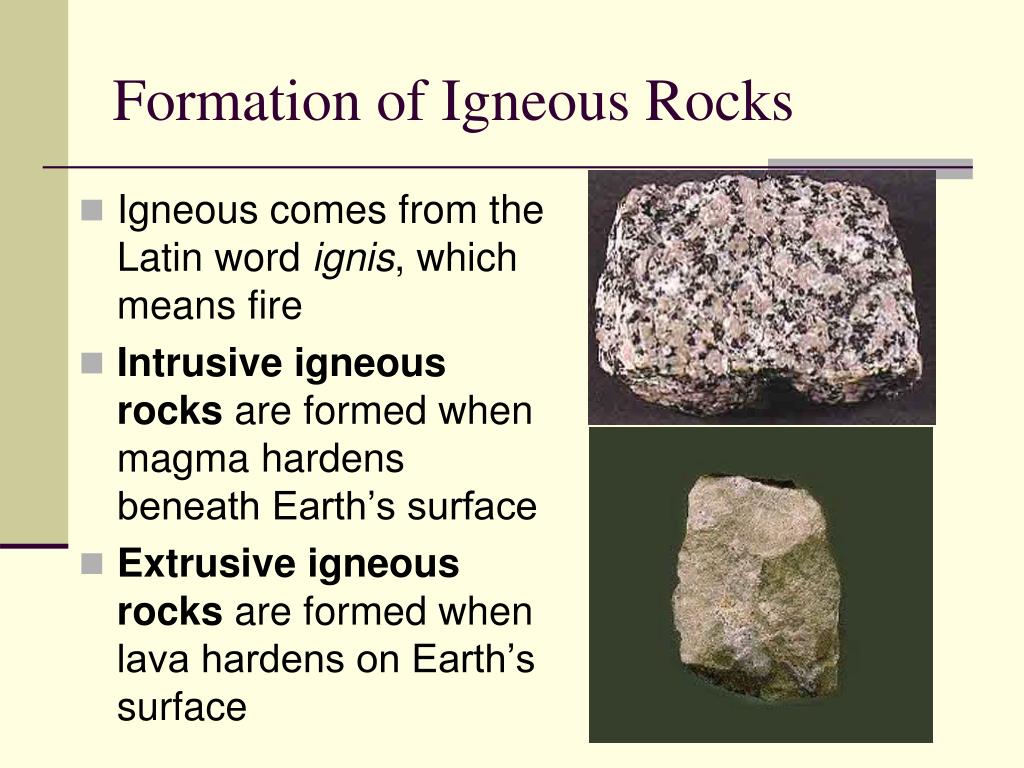
Igneous rocks are classified both by their chemical composition, mineral composition, texture, and structure. Texture and structure refer to the relationships between crystals, groundmass, vesicles, and other components of a rock.. Intrusive igneous rocks crystallize below Earth’s surface, and the slow cooling that occurs there allows large crystals to form. Examples of intrusive igneous rocks are: diabase, diorite, gabbro, granite, pegmatite, and peridotite. Extrusive igneous rocks erupt onto the surface, where they cool quickly to form small crystals.
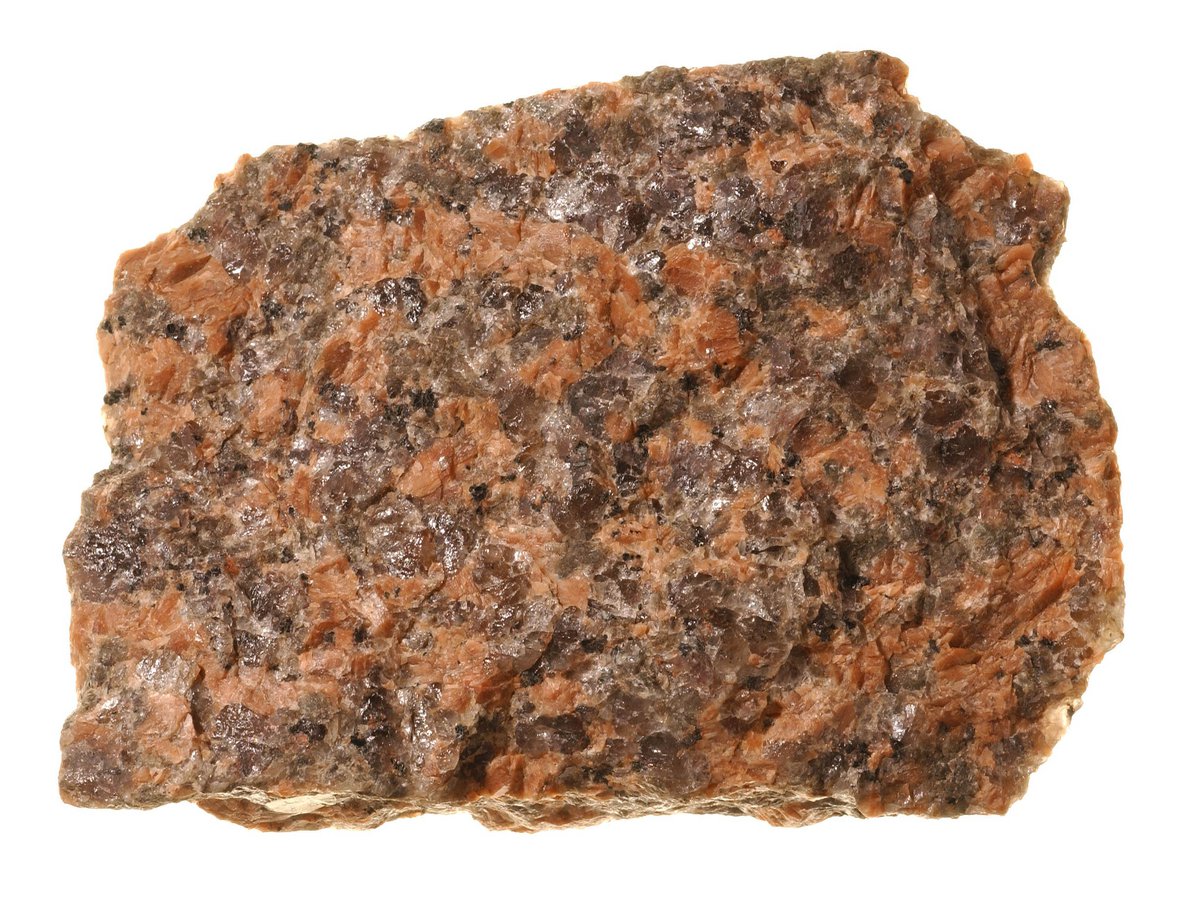
Igneous rock types The Australian Museum

Classification of igneous rocks The Australian Museum

Igneous Rocks Chart

Extrusive Igneous Rock Examples
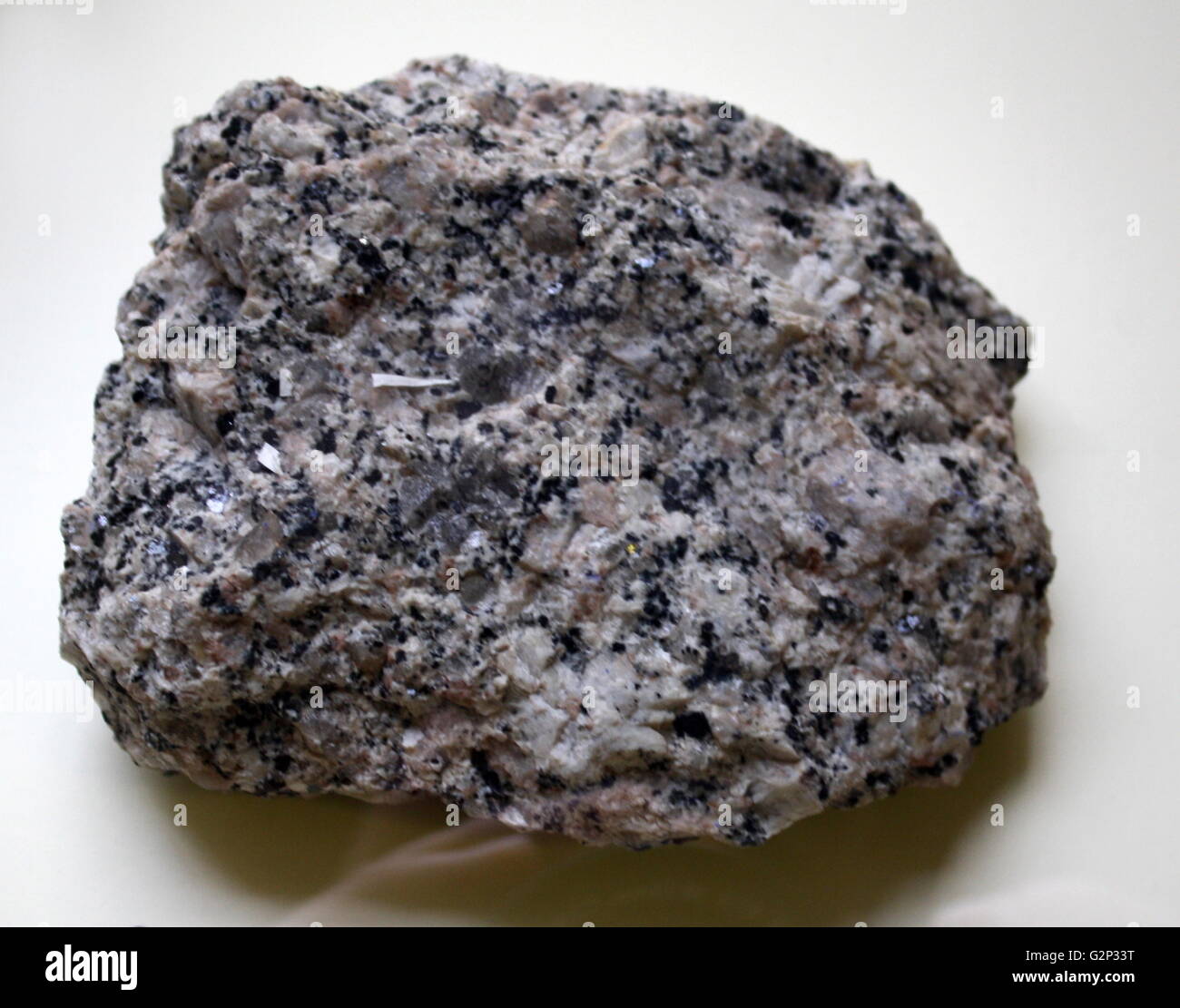
A piece of Granite. A common type of intrusive, felsic, igneous rock
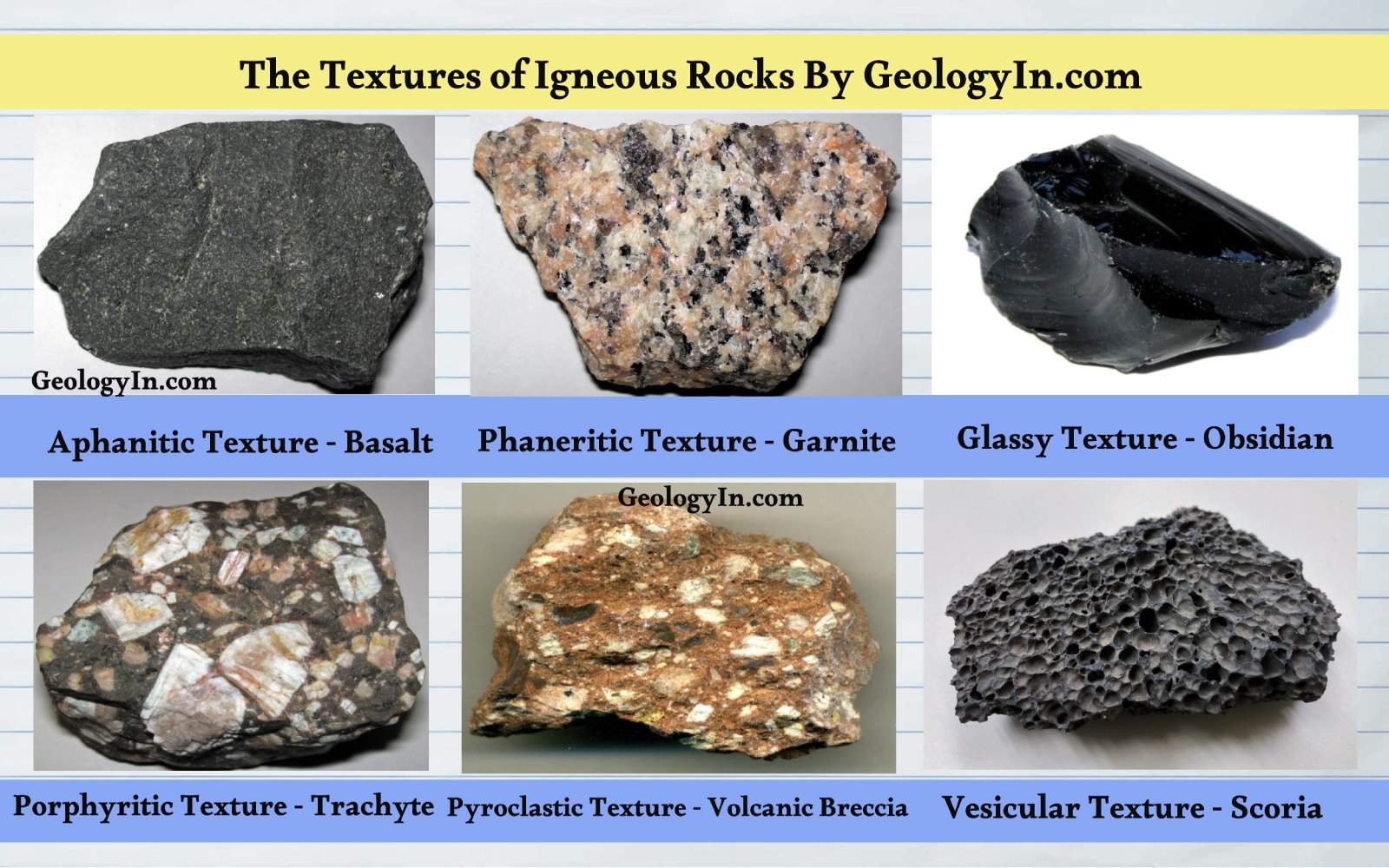
Trachytic Texture

Raw Basalt Igneous Rock Specimen, 1″ Geologist Selected Samples Ei
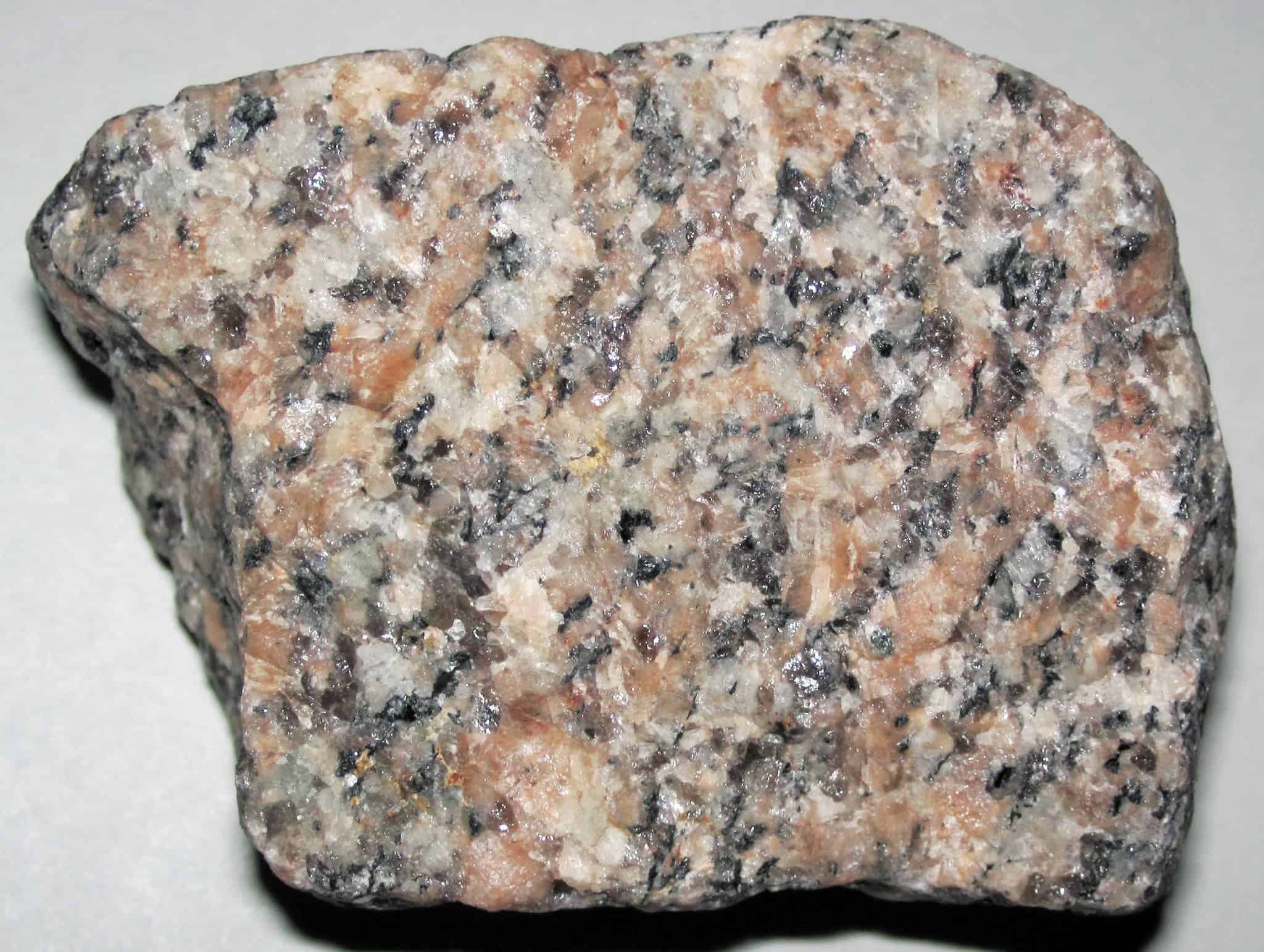
Intrusive Igneous Rock Examples
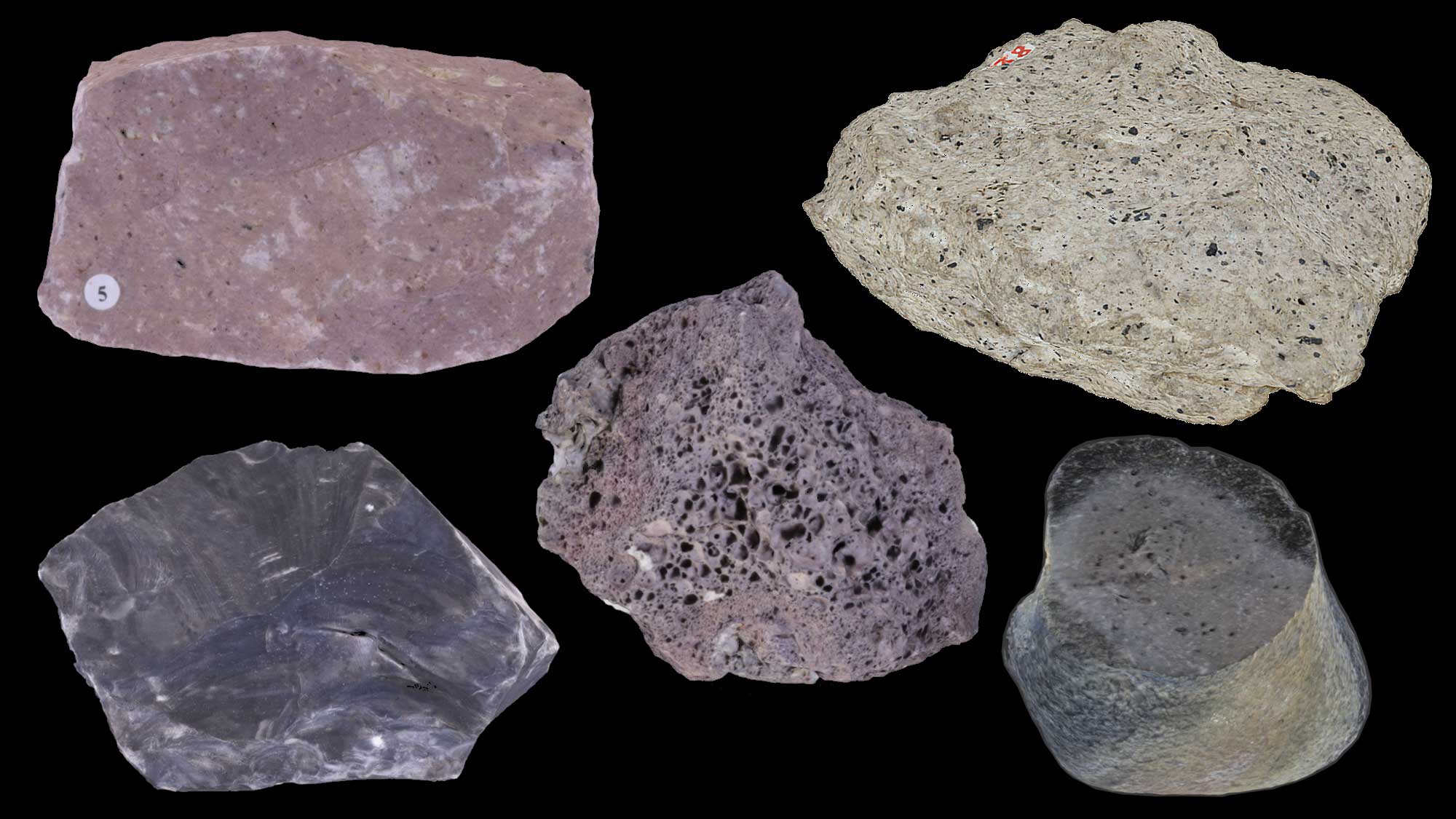
Extrusive Igneous Rock Raw Rhyolite Extrusive Igneous Rock Stone
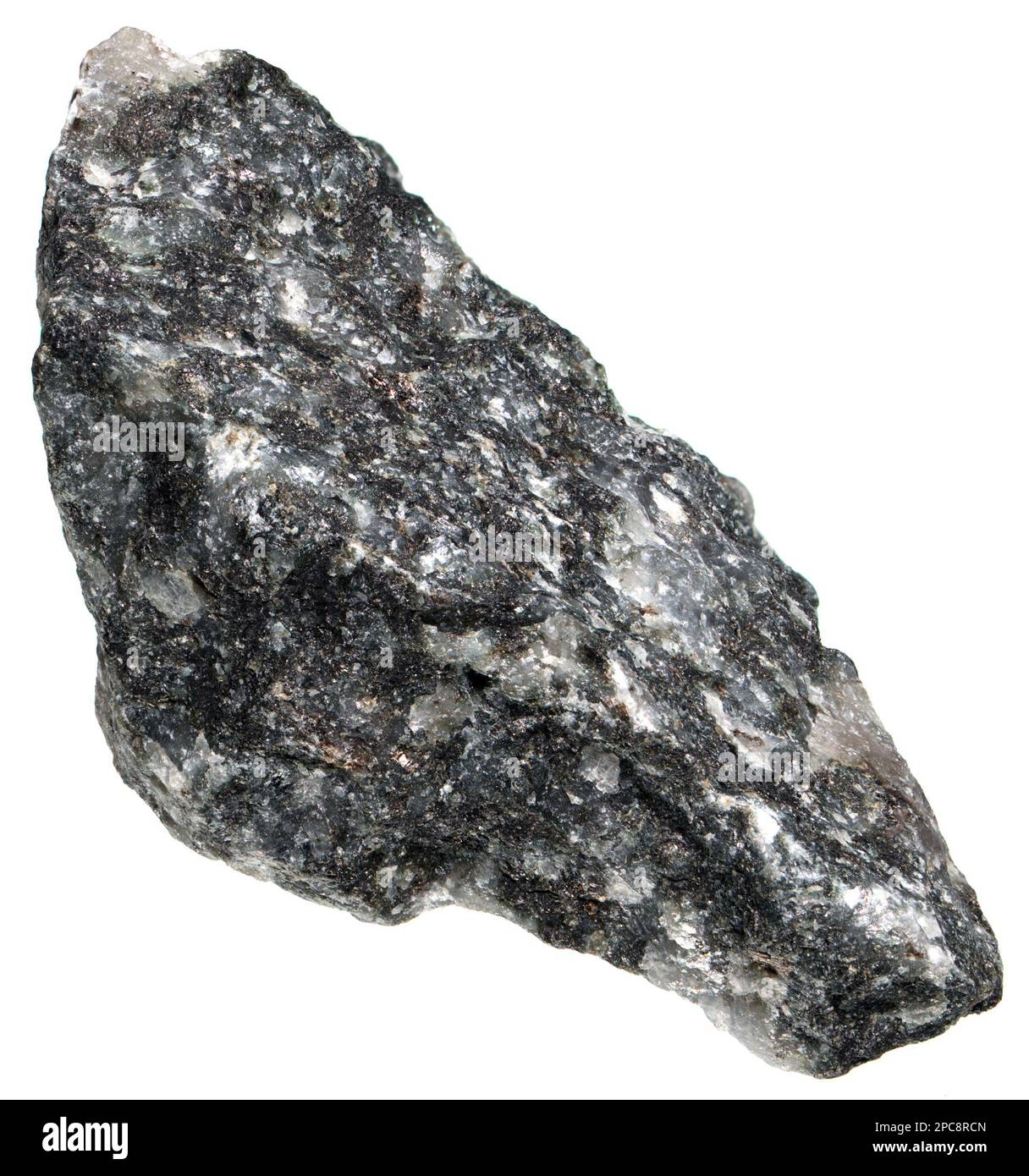
Coarse grained igneous rock Cut Out Stock Images & Pictures Alamy
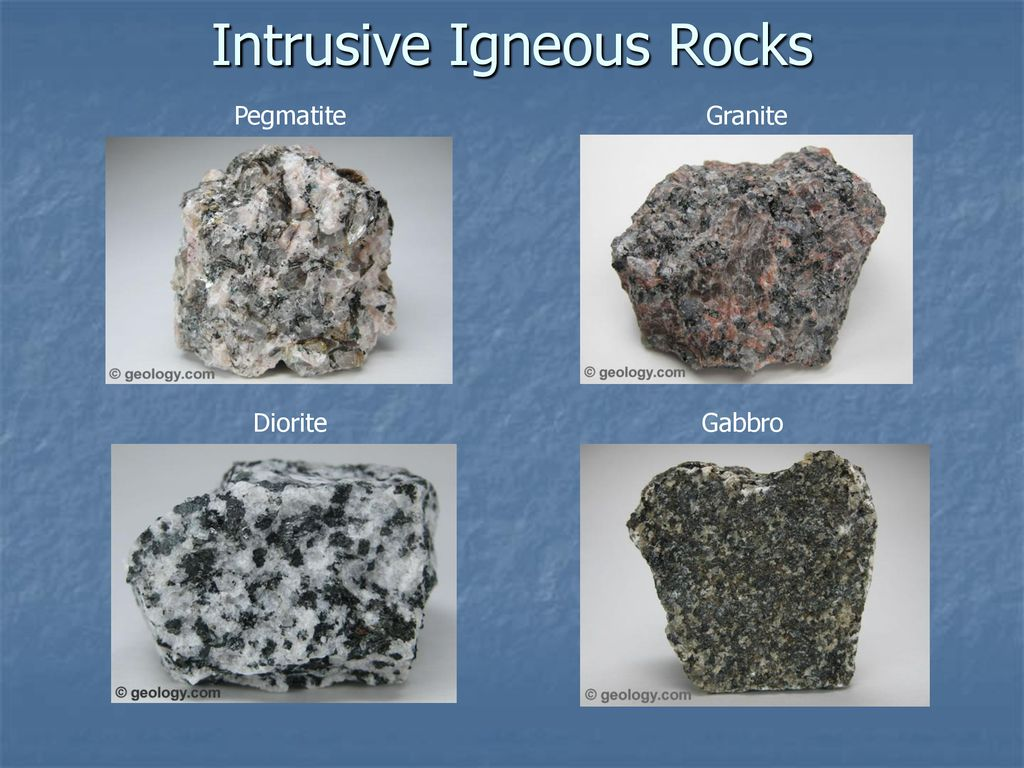
Igneous Rock Examples Names
:max_bytes(150000):strip_icc()/about-igneous-rocks-1438950_final_CORRECTED2FINAL-f8d738e151b9437caa256d21155d091f.png)
Igneous Rocks Everything You Need to Know
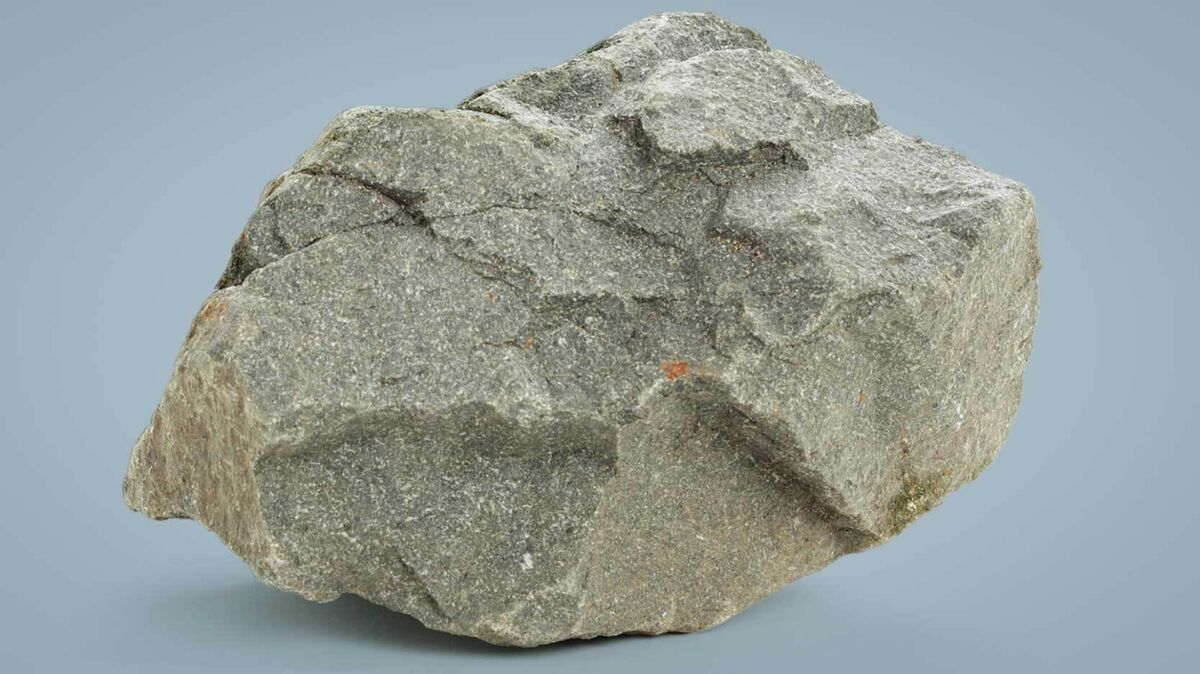
Igneous Examples 10 Rock Types Explained YourDictionary

Top 7 Differences Between Metamorphic Rocks And Igneous Rocks
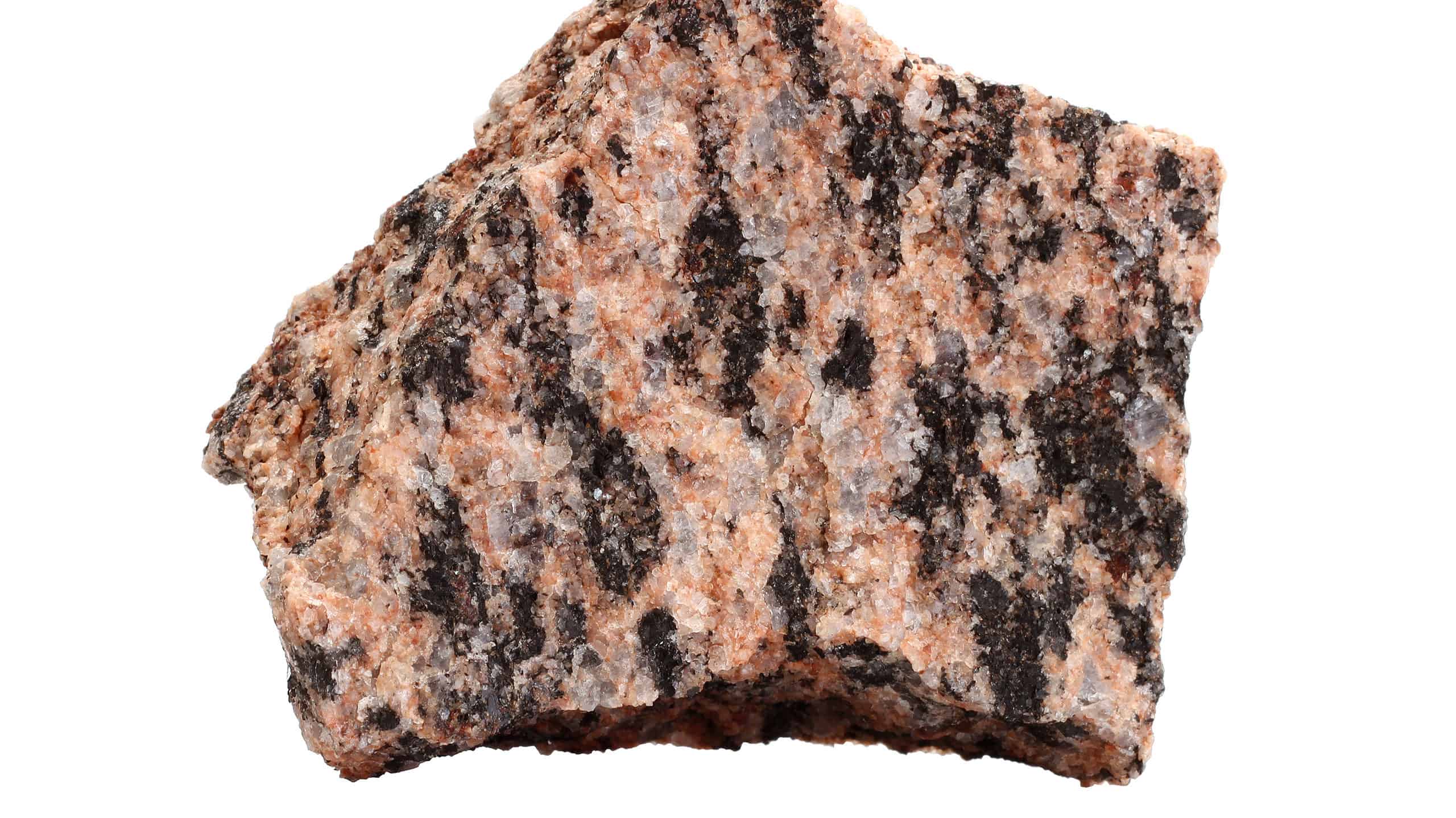
Igneous Rock Types List
:max_bytes(150000):strip_icc()/rocpicandesite-58bf191a3df78c353c3dd7b4.jpg)
Pictures and Descriptions of Igneous Rock Types
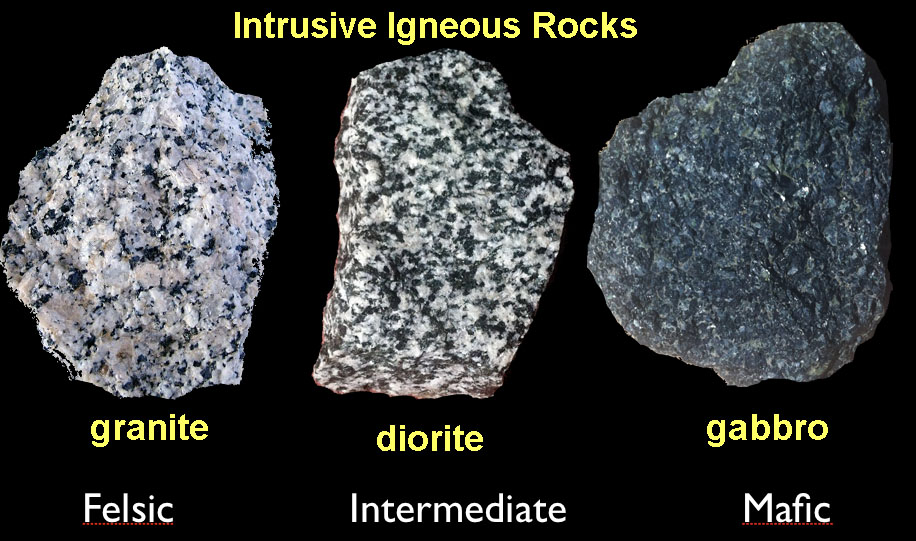
gotbooks.miracosta.edu/oceans
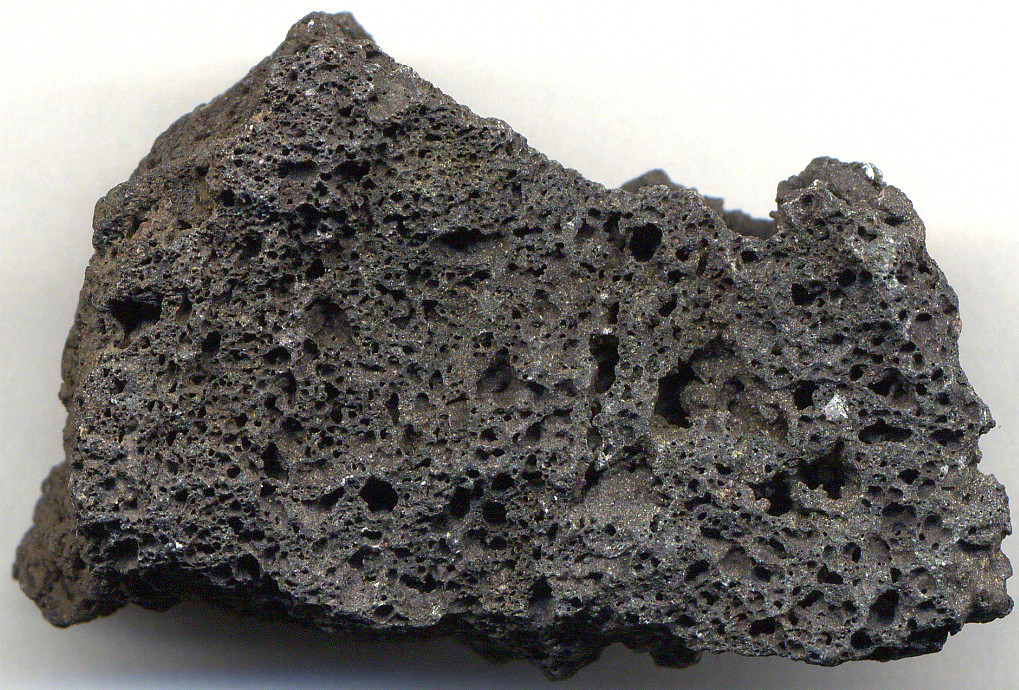
Facts about Igneous Rocks What kids need to know? The Book Club

Igneous Rocks High Resolution Stock Photography and Images Alamy
Born Of Fire Igneous Rocks Igneous Rock Igneous Rock Identification
What are igneous rocks. What are they made of. How do they look like. How are they formed. Learn their types with characteristics, examples, diagrams, & facts.. Igneous rocks are some of the most interesting rocks found in nature, mostly because of the spectacular way in which they are formed. All igneous rocks are created from the cooling of magma or lava, but there are almost limitless varieties based on the minerals present in the source magma and the temperature and pressure conditions when it cooled.